作者: 妈咪助手

  • Brain-Boosting Educational Games: Raise a Smart Baby Through Play

    Brain-Boosting Educational Games: Raise a Smart Baby Through Play

    Brain-Boosting Games for 0-1 Year

    • Peek-a-boo: cover your face with a cloth and reveal it to help baby understand object permanence
    • Where Is the Bell: shake a bell so the baby follows the sound to find its source
    • Mirror Game: hold the baby in front of a mirror to help them recognize themselves

    Brain-Boosting Games for 1-2 Years

    • Shape Matching: place blocks of different shapes into the corresponding holes
    • Color Sorting: group toys of the same color together
    • Simple Puzzles: large-piece puzzles with 2-4 pieces
    • Nesting Dolls / Stacking Cups: understand size relationships

    Brain-Boosting Games for 2-3 Years

    • Matching Game: flip cards to find pairs and train memory
    • Spot the Difference: find differences between two pictures to build observation skills
    • Number Game: count how many apples there are
    • Sorting Game: arrange items from smallest to largest

    Brain-Boosting Games for 3-6 Years

    • Board Games: Ludo, checkers, Gomoku (five-in-a-row)
    • Lego Building: build following instructions or freely
    • Science Experiments: grow beans to observe growth, ice melting experiments
    • Memory Training: memory cards, shopping list games

    What matters with educational games is not quantity but choosing ones suited to the child’s age and developmental stage. Playing with your child for 15-20 minutes every day yields the best results.

    📌 Key Takeaways:Discover simple, age-based educational games for children 0-6 to build memory, logic, and observation skills through daily play.



  • Nurturing Your Marriage After Baby: Keep the Love Alive

    Nurturing Your Marriage After Baby: Keep the Love Alive

    Challenges to the Postpartum Marriage

    • Sleep deprivation: both are exhausted and easily lose emotional control
    • Shift in focus: all energy goes to the child, neglecting each other
    • Parenting disagreements: different feeding and education approaches lead to arguments

    Practical Ways to Nurture Your Relationship

    1. Keep Communicating

    Set aside 10 minutes daily, put down phones, and talk about each other’s feelings and needs.

    2. Share Responsibilities

    Clarify parenting and household division of labor; dad should also actively participate in childcare.

    3. Create Couple Time

    Arrange a date weekly, even if it’s just watching a movie at home.

    4. Understand Each Other

    Mom understands dad’s work pressure; dad understands mom’s hard work with the baby.

    5. Stay Intimate

    Consider resuming sex life after the 42-day postpartum check-up; don’t rush.

    Behaviors to Avoid

    • Don’t argue in front of the child
    • Don’t communicate through blame; express needs positively instead
    • Don’t shoulder all the pressure alone

    Children are the fruit of love; don’t let parenting consume your love. The couple relationship is the core of the family.

    📌 Key Takeaways:How to nurture your relationship after a baby—communication, shared parenting, couple time, and habits to avoid.


  • Juegos educativos para desarrollar el cerebro: cría un bebé inteligente jugando

    Juegos educativos para desarrollar el cerebro: cría un bebé inteligente jugando

    Juegos educativos para 0-1 año

    • Cucú-tras: cubre tu cara con un paño y descúbrela para que el bebé entienda la permanencia de los objetos
    • ¿Dónde está la campana?: agita una campana para que el bebé siga el sonido hasta su origen
    • Juego del espejo: sostén al bebé frente al espejo para que se reconozca a sí mismo

    Juegos educativos para 1-2 años

    • Clasificación de formas: coloca bloques de distintas formas en los agujeros correspondientes
    • Clasificación por color: junta los juguetes del mismo color
    • Puzzles sencillos: puzzles de piezas grandes de 2 a 4 piezas
    • Muñecas rusas / cubos encajables: entender la relación de tamaños

    Juegos educativos para 2-3 años

    • Juego de memoria: da la vuelta a las cartas para encontrar parejas y ejercitar la memoria
    • Busca las diferencias: encuentra las diferencias entre dos imágenes para desarrollar la observación
    • Juego de números: cuenta cuántas manzanas hay
    • Juego de ordenar: ordena los objetos de menor a mayor

    Juegos educativos para 3-6 años

    • Juegos de mesa: parchís, damas, conecta cinco
    • Construcción con LEGO: construye siguiendo un plano o con libertad
    • Experimentos científicos: planta frijoles para observar su crecimiento, experimento de deshielo
    • Entrenamiento de memoria: tarjetas de memoria, juego de la lista de compras

    Lo que importa en los juegos educativos no es la cantidad, sino elegir los adecuados a la edad y etapa de desarrollo del niño. Jugar con tu hijo 15-20 minutos al día da los mejores resultados.

    📌 Puntos Clave:Descubre juegos educativos sencillos por edad para niños de 0 a 6 años que desarrollan la memoria, la lógica y la observación jugando cada día.


  • Cuidar la relación de pareja posparto: sigan enamorados con un hijo

    Cuidar la relación de pareja posparto: sigan enamorados con un hijo

    Retos a los que se enfrenta la pareja posparto

    • Privación de sueño: ambos están agotados y pierden fácilmente el control emocional
    • Cambio de enfoque: toda la energía va al niño, descuidándose mutuamente
    • Desacuerdos en la crianza: distintas formas de alimentar y educar provocan discusiones

    Formas prácticas de cuidar la relación

    1. Mantener la comunicación

    Reservar 10 minutos al día, soltar el móvil y hablar de los sentimientos y necesidades de cada uno.

    2. Compartir responsabilidades

    Aclarar la división del cuidado infantil y del hogar; el papá también debe participar activamente.

    3. Crear tiempo de pareja

    Programar una cita semanal, aunque sea ver una película en casa.

    4. Entenderse mutuamente

    La mamá entiende la presión laboral del papá; el papá entiende el esfuerzo de la mamá con el bebé.

    5. Mantener la intimidad

    Considerar retomar la vida sexual tras la revisión posparto de 42 días; sin prisa.

    Conductas a evitar

    • No discutir delante del niño
    • No comunicarse con reproches, sino expresar las necesidades positivamente
    • No cargar solo con toda la presión

    Los hijos son fruto del amor; no dejes que la crianza consuma su amor. La relación de pareja es el núcleo de la familia.

    📌 Puntos Clave:Cómo cuidar la relación tras un bebé: comunicación, crianza compartida, tiempo de pareja y hábitos a evitar.


  • Baby Nutrition Supplement Guide: How to Supplement Vitamin D, Calcium, Iron, and DHA

    Baby Nutrition Supplement Guide: How to Supplement Vitamin D, Calcium, Iron, and DHA

    Vitamin D

    Why supplement: Breast milk is extremely low in vitamin D, yet babies need it to promote calcium absorption.

    • Start at 2 weeks after birth, 400 IU daily
    • Continue until age 2; after that, decide based on the situation
    • Choose a pure vitamin D3 drop; no need for combined A-D preparation

    Calcium

    Need to supplement? Babies who drink milk normally usually don’t need extra calcium.

    • 0–6 months: calcium in breast milk or formula is sufficient
    • 6–12 months: over 600 ml of milk plus calcium from complementary foods
    • 1–3 years: 300–500 ml of milk daily, paired with soy products and leafy greens

    Iron

    Why supplement: After 6 months, the iron reserves babies got from the mother are depleted and must come from complementary foods.

    • Choose iron-fortified rice cereal as the first complementary food
    • Eat more red meat puree, animal liver puree (1–2 times per week)
    • Pair with vitamin C foods to boost iron absorption (tomatoes, oranges, etc.)

    DHA

    Role: promotes brain and retinal development.

    • Breastfeeding moms should supplement DHA themselves
    • Formula usually already contains added DHA
    • During complementary feeding, eat deep-sea fish: salmon, cod

    Principle of supplementation: food first, supplement only if deficient. Don’t blindly take multiple nutrients; it’s best under a doctor’s guidance.

    📌 Key Takeaways:When and how to supplement your baby with vitamin D, calcium, iron, and DHA, plus why a food-first approach works best.


  • 2026 Trends in the Baby & Mom Industry

    2026 Trends in the Baby & Mom Industry

    The organic baby food market keeps expanding, with domestic brands on the rise. Smart parenting products are growing explosively. The concept of sustainable parenting is spreading, and the second-hand baby-products trade is booming. Personalized parenting plans are customized with big data and AI. Above all, choosing products that suit you and your baby matters most.

    📌 Key Takeaways:2026 trends in the baby and mom industry: organic food, smart products, sustainable parenting, and AI plans.


  • Nuevas tendencias de la industria del bebé y la mamá en 2026

    Nuevas tendencias de la industria del bebé y la mamá en 2026

    El mercado de comida orgánica para bebés sigue creciendo, con marcas nacionales en auge. Los productos inteligentes de crianza crecen de forma explosiva. El concepto de crianza sostenible se extiende y el comercio de artículos de bebé de segunda mano está en auge. Los planes de crianza personalizados se diseñan con big data e IA. Lo más importante es elegir productos que se adapten a ti y a tu bebé.

    📌 Puntos Clave:Tendencias 2026 de la industria del bebé y la mamá: comida orgánica, productos inteligentes, crianza sostenible e IA.


  • The Right Way to Introduce Your Child to Art

    The Right Way to Introduce Your Child to Art

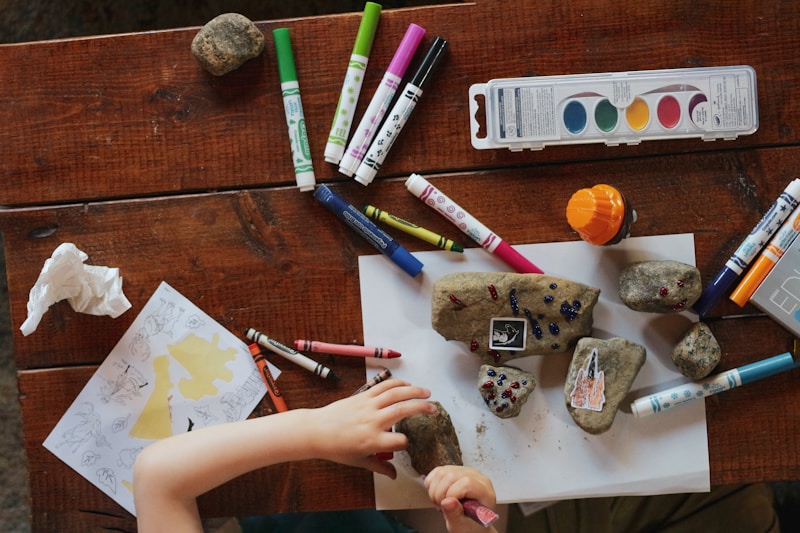
    1 year: finger painting, using food coloring as safe paint; 2 years: the scribbling stage, provide large crayons; 3 years: can draw simple shapes; 4-6 years: themed creation, encourage the child to tell the story in the picture. The key to art enlightenment is the process rather than the result, so encourage more and judge less.

    📌 Key Takeaways:An age-by-age guide to children's art that values the creative process over the final result.


  • Guía de suplementos nutricionales para bebés: cómo suplementar vitamina D, calcio, hierro y DHA

    Guía de suplementos nutricionales para bebés: cómo suplementar vitamina D, calcio, hierro y DHA

    Vitamina D

    Por qué suplementar: la leche materna tiene niveles muy bajos de vitamina D, pero los bebés la necesitan para favorecer la absorción de calcio.

    • Empezar 2 semanas después del nacimiento, 400 UI al día
    • Continuar hasta los 2 años; después, según convenga
    • Elegir gotas de vitamina D3 pura, sin necesidad de preparado combinado A-D

    Calcio

    ¿Necesita suplemento? Los bebés que toman leche con normalidad suelen no necesitar calcio extra.

    • 0–6 meses: el calcio de la leche materna o fórmula es suficiente
    • 6–12 meses: más de 600 ml de leche, más el calcio de los alimentos complementarios
    • 1–3 años: 300–500 ml de leche al día, con productos de soja y verduras de hoja

    Hierro

    Por qué suplementar: tras los 6 meses, se agotan las reservas de hierro que el bebé recibió de la madre y deben obtenerse de los alimentos complementarios.

    • Elegir cereal de arroz fortificado con hierro como primer alimento complementario
    • Comer más puré de carne roja, puré de hígado animal (1–2 veces por semana)
    • Combinar con alimentos ricos en vitamina C para favorecer la absorción de hierro (tomate, naranja, etc.)

    DHA

    Función: favorece el desarrollo del cerebro y la retina.

    • La mamá que da el pecho debe suplementar DHA ella misma
    • La leche de fórmula suele contener DHA añadido
    • En la etapa de alimentación complementaria, comer pescado de mar profundo: salmón, bacalao

    Principio de suplementación: priorizar los alimentos, suplementar solo si falta. No tomar múltiples nutrientes a ciegas; mejor bajo supervisión médica.

    📌 Puntos Clave:Cuándo y cómo suplementar a tu bebé con vitamina D, calcio, hierro y DHA, y por qué conviene priorizar los alimentos.


  • Complete Child Safety Education Guide: From Home to Travel

    Complete Child Safety Education Guide: From Home to Travel

    I. Home Safety

    Fall Prevention

    • Install window guards or limiters, with spacing no more than 10cm
    • Do not place climbable furniture near windows
    • Keep balcony doors locked at all times

    Electric Shock Prevention

    • Use safety outlet covers
    • Keep cords tidy so baby can’t chew on them
    • Unplug appliances promptly after use

    Burn Prevention

    • Place kettles and hot soup out of baby’s reach
    • Run cold water first, then hot, when filling the bath
    • Avoid tablecloths on the dining table to prevent baby from pulling them

    Choking/Ingestion Prevention

    • Store medicine, cleaners, and small objects up high or locked away
    • Pay special attention to dangerous items like batteries and magnetic beads

    II. Travel Safety

    • Car safety: use a car seat for children under 12
    • Crossing the street: teach kids to stop at red lights and go on green
    • Getting lost prevention: dress in bright colors, teach kids to memorize parents’ phone numbers

    III. Sexual Abuse Prevention Education

    • From age 2, teach kids to recognize private body parts
    • No one may touch the parts covered by a swimsuit
    • If someone makes you uncomfortable, say no loudly and tell mom and dad

    IV. Ways to Teach Safety

    • Use picture books and games to teach safety knowledge
    • Practice repeatedly and review regularly
    • Parents set a good safety example

    Safety education is not about making children afraid of the world, but teaching them how to protect themselves.

    📌 Key Takeaways:A complete guide to keeping kids safe: home hazards, travel safety, abuse prevention, and fun ways to teach safety.